About Abstract Art
Abstract art uses visual language of shape, form, color and line to create compositions independent of visual references in the world.
The movement emerged in the early 20th century and revolutionized how art could be created and interpreted.
Key Characteristics
- Non-Representational: Not depicting real objects
- Color Theory: Emphasis on color relationships
- Form & Shape: Geometric or organic forms
- Expression: Emotions over realism
- Innovation: Breaking traditional art rules
Famous Abstract Artists
Meet the artists who shaped this movement
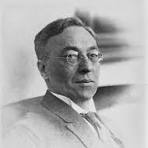
Wassily Kandinsky
Pioneer of abstract art and color theory.
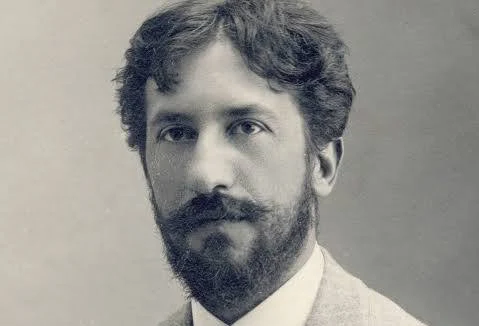
Piet Mondrian
Known for geometric compositions and primary colors.
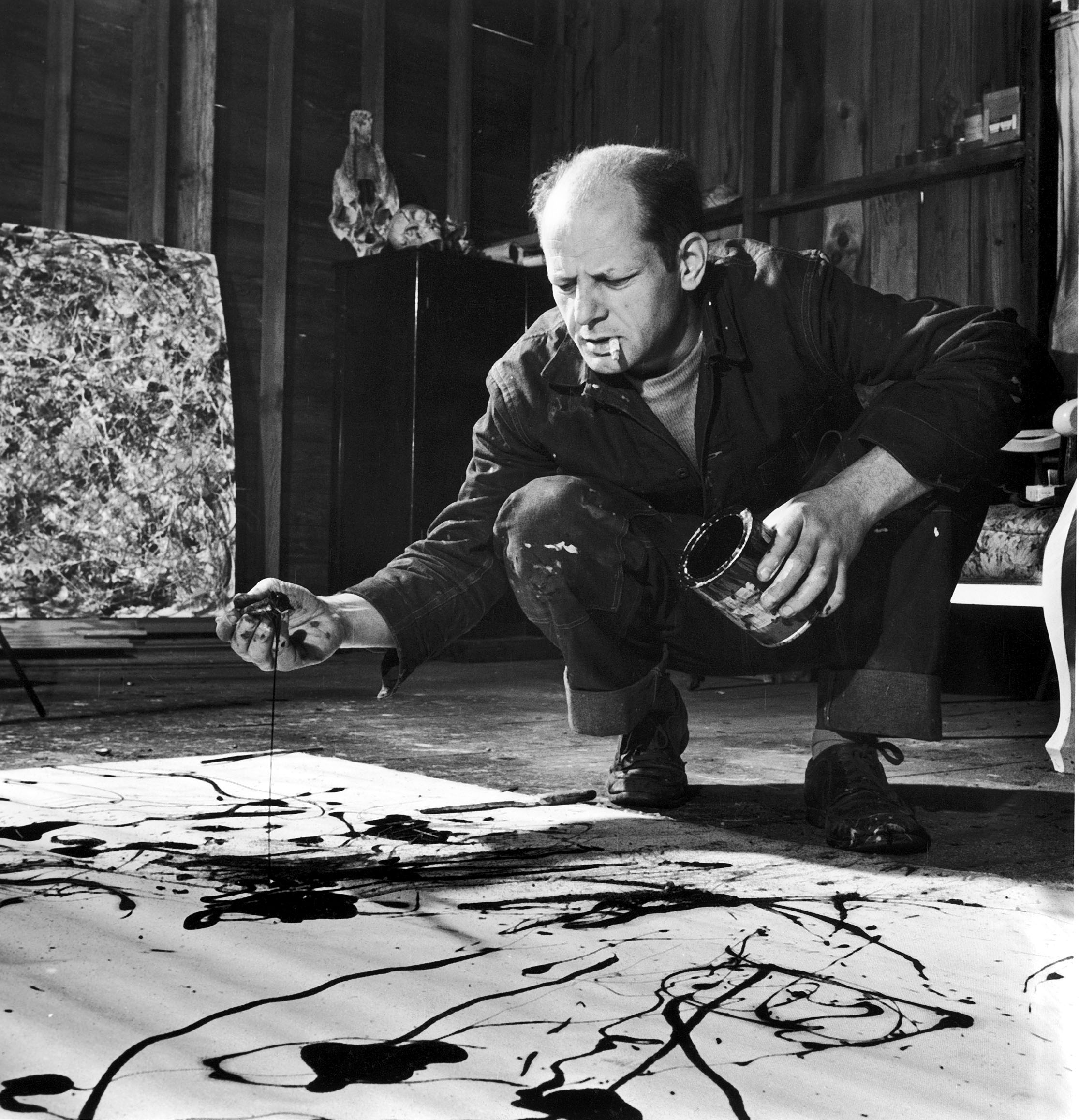
Jackson Pollock
Famous for drip painting technique.
Abstract Artworks
Explore famous abstract paintings
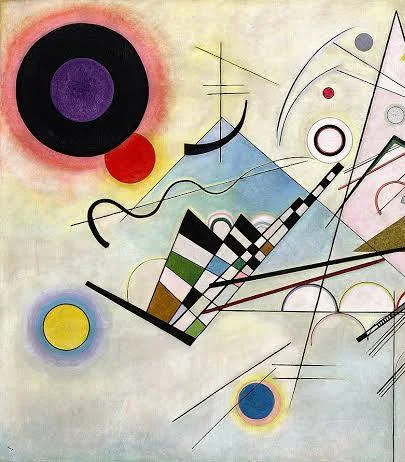
Composition VIII
Kandinsky's masterpiece of geometric abstraction.
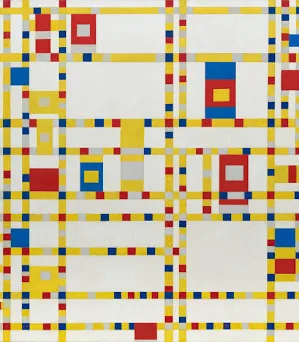
Broadway Boogie Woogie
Mondrian's vibrant tribute to New York City.
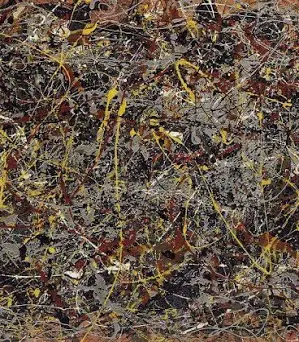
No. 5, 1948
Pollock's iconic drip painting technique.
Study Tips for IB/GCSE Students
Focus on: Color relationships, form, and emotional expression.
Important terms: Non-representational, Geometric Abstraction, Action Painting
Compare with: Figurative and Representational Art.